
VITALITI Tricorder wins Epic Innovator Prize at XPRIZE Awards





Two recent McKinsey reports offer insights and predictions for medtech success, based on conversations with industry leaders and McKinsey’s research. “What to expect from medtech in 2024” discusses the uneven performance of the medtech industry in 2023, highlighting factors such as revenue growth, product approvals, and investor sentiment. Seven key predictions are made for 2024,…

Shout it from the rooftops: Cortex Client Voltera has just ranked #24th overall on Canadian Business’s Startup 50 list for 2018. Voltera makes the V-1 PCB Printer, which is a transformational rapid prototyping platform that allows product developers to quickly produce printed-circuit-board (PCB) prototypes in-house.
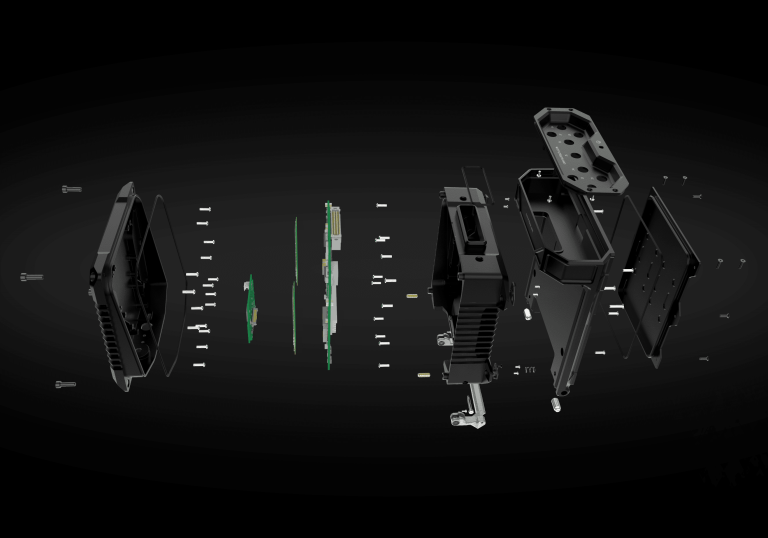
DFM is a critical aspect of the product development process. Targeting considerations of feasibility and cost-effectiveness of the product during production, DFM is a complex process. It requires careful consideration of numerous factors and a delicate balancing of often competing priorities and constraints. Unfortunately, some important elements of DFM are often overlooked, leading to problems…

You know those little frustrations that happen over the course of the day? Many of them are actually moments of design failure — the gap between the promise a brand makes to you, and the product you actually get. Your life today was probably full of little frustrations This was today’s frustration for me: 11 a.m., and…

Medical product development risks exist because medical device development is a complex process. It requires a thorough understanding of the risks involved. In this post, we will take a closer look at the 4 most common physical product development risks and how to mitigate them. We also tap into Cortex Design’s Founder and Chief Product…

Awesome products deserve to be appreciated, so as an exercise we put together a quick list of some of our favourite product designs — both past and present — to try to get at what makes a product great. It’s something we think about a lot at Cortex: why do some products fail to resonate,…