
MEDICAL DEVICE DESIGN COMPANY
Build Medical Devices
People Will Actually Use
Our design-first approach starts with real user needs and tests critical decisions early, helping you avoid costly rework, move to market faster and build for adoption.
Trusted by innovators








Commercial success starts with design
Crucial factors like intuitiveness and workflow fit need to be considered from the beginning of development because they directly influence adoption.

Design makes devices work in the real world
A device can work flawlessly in the lab and still fail in practice. Good design makes it easier to learn, harder to misuse, and more likely to become part of everyday care.
Design turns complexity into intuitiveness
Good design turns technical complexity into clear, predictable interactions—reducing cognitive load, errors, and barriers to adoption.
Friction from poor design creates hidden costs
They show up as longer training, more support, user errors, and slower sales. When a device is difficult to use, clinicians avoid it, work around it, or choose alternatives.

Clearance is not adoption.
A device can be safe, effective and approved, but still fail if people do not trust it, choose it or integrate it into their workflows.
When design is an afterthought, problems compound
What begins as one untested assumption can spread across the product, the development program and eventually the business.
Unverified assumptions shape the product
Limited user research leads teams to make decisions based on instinct or incomplete information.
Wrong priorities
Missed user needs
Tech-first decisions lock in user friction
Requirements, hardware and mechanisms lock in the workflow, forcing design to manage compromises rather than define the right experience.

Rigid architecture
Workflow compromise
Less room to change
Usability friction surfaces too late
Confusing interactions, hesitation and workarounds appear when changes are already difficult and expensive.

More training
User errors
Support burden
Late fixes trigger program-wide rework
Redesign, verification, documentation updates, supplier impacts and schedule slips turn one change into a multi-team realignment.

Redesign
Verification and documentation resets
Supplier and schedule impacts
Rework damages timelines, runway and adoption
By the time these problems reach the market, the impact is no longer limited to design. It affects the company’s launch, budget, flexibility and ability to win adoption.

Longer timelines
Late changes delay validation, submission and market entry.
Burned runway
Teams spend more money correcting decisions that should have been tested earlier.
Fewer viable options
As constraints build up, teams have fewer good paths left to choose from.
Weaker adoption
Users and buyers default to products that feel easier to trust, support and use.
The Cortex approach:
Design-led development, built into every decision
Many firms treat industrial design as a late-stage aesthetic layer, after key technical decisions are already locked in. Cortex treats design as a core product-development discipline, integrating user insight, human factors, engineering and design controls from the start to create devices that are both adoption-ready and submission-ready.
01
02
03
04
05

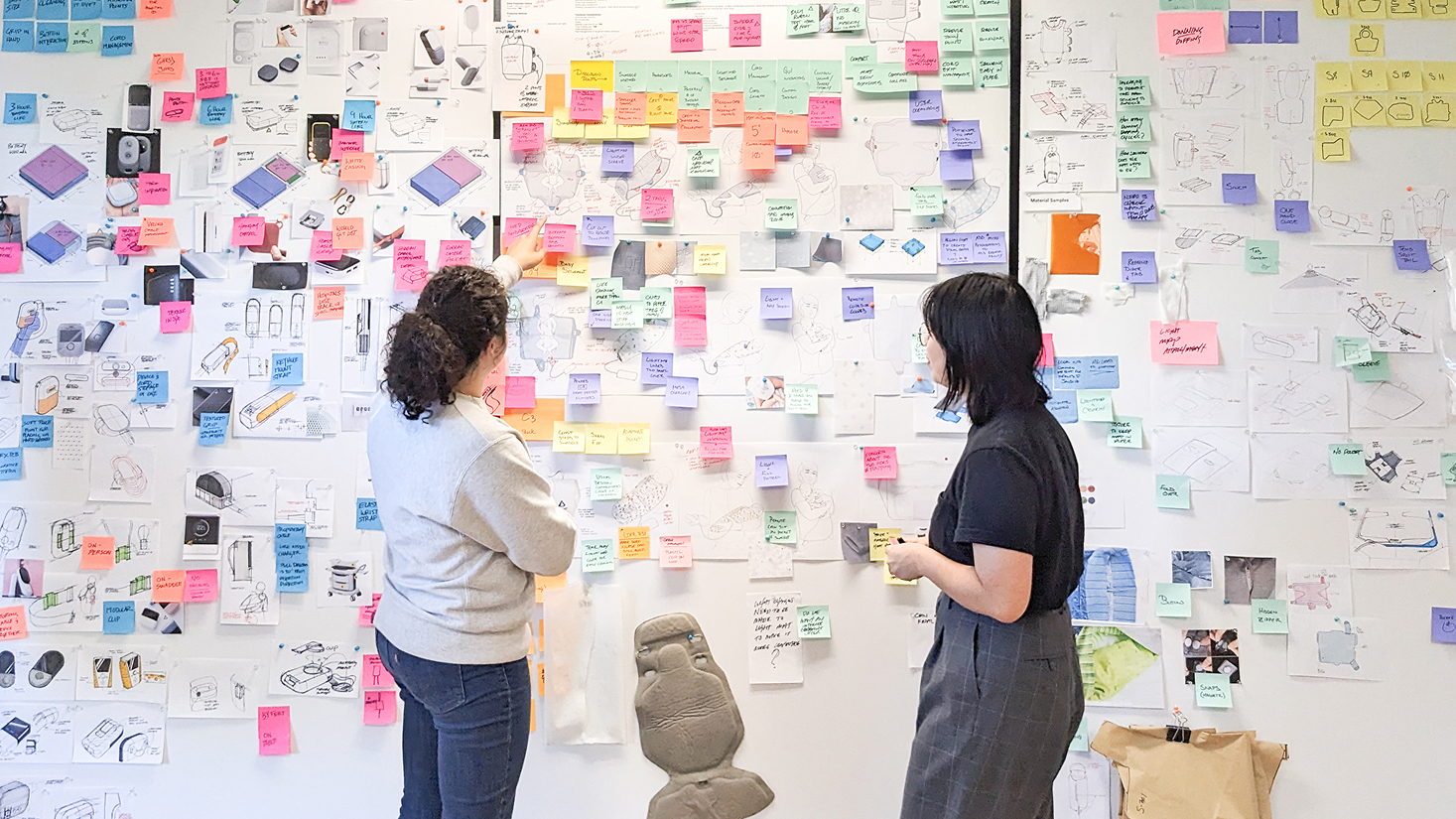
Start with user reality
We begin with the people, workflows, environments, stakeholders and failure modes that will determine whether the device succeeds in practice. By challenging assumptions early, we define what the product needs to be before costly requirements and architecture are locked in.

01
02
03
04
05

Design to reduce cognitive load
We translate technical complexity into clear states, predictable feedback, legible information and easy recovery. Correct use should feel intuitive, even when users are rushed, distracted or under pressure, reducing training, hesitation and workarounds.
01
02
03
04
05

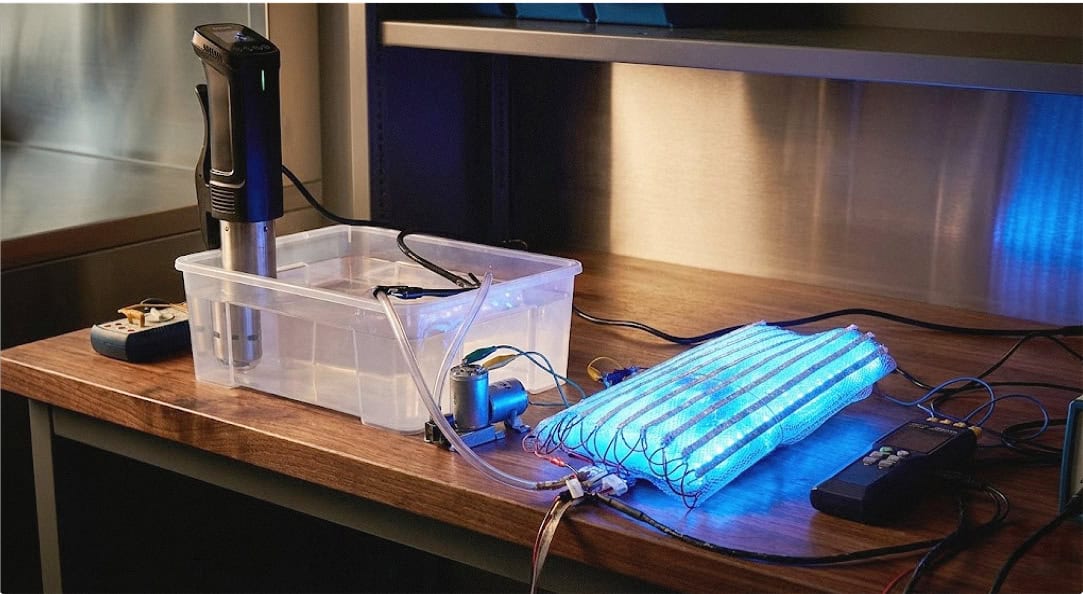
Validate before committing to tooling
We iterate prototypes to validate form, fit, workflow and critical interactions before committing to expensive tooling. This compresses feedback loops and exposes risks, while changes are still inexpensive.

01
02
03
04
05
Work as one accountable team
Our medical device development services bring industrial design, human factors, product strategy, mechanical engineering, electronics, prototyping and testing together as one integrated extension of your team. This reduces handoff gaps and keeps user needs, technical decisions and product requirements aligned.
01
02
03
04
05
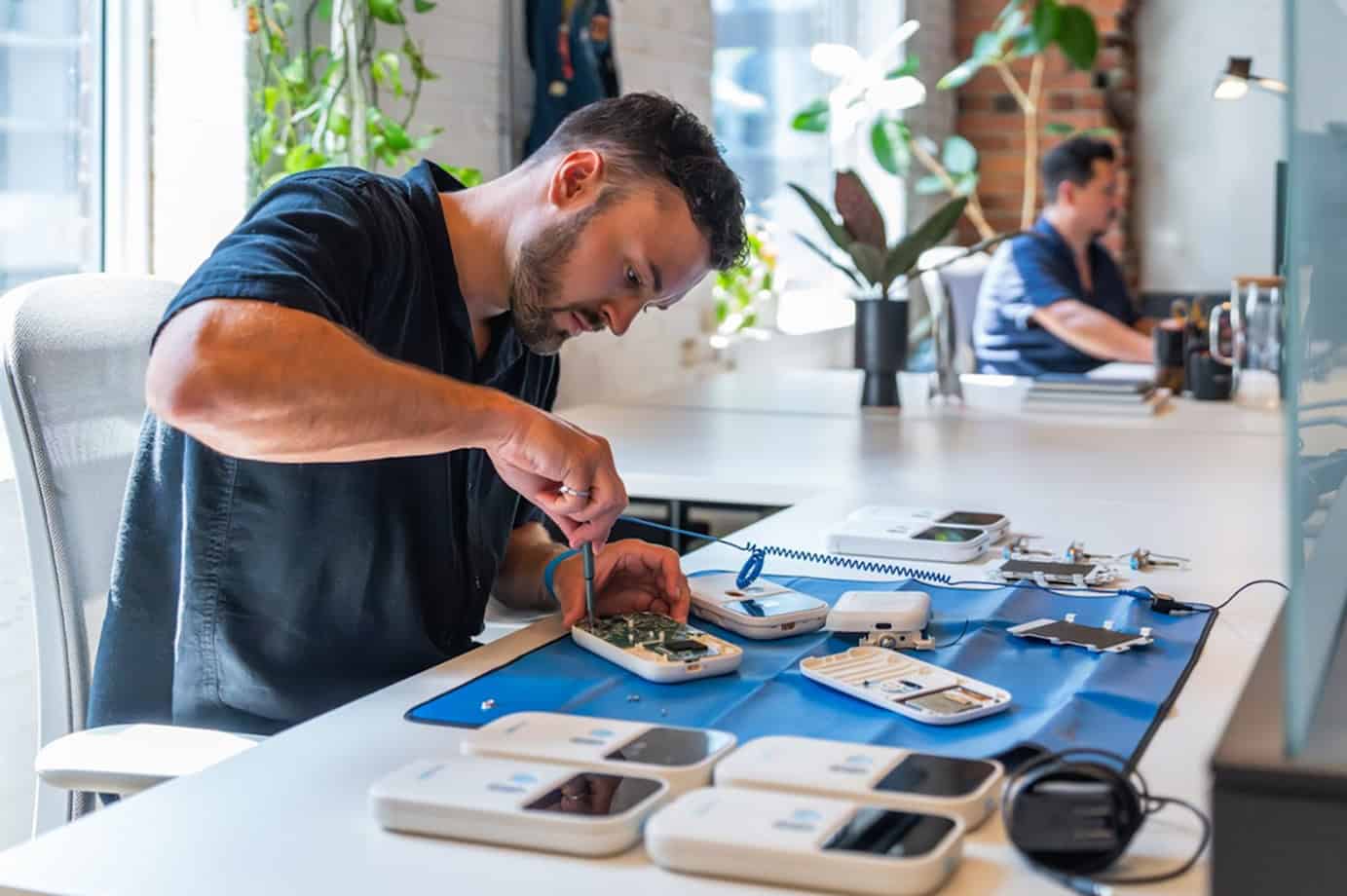
Build in design controls from the start
Cortex’s ISO 13485:2016-certified quality management system connects early user discovery to traceable user needs, design inputs, risk controls, formative findings, verification and DHF-ready documentation. The result is both a better device and a cleaner path through validation and submission.
The result:

Reduced stakeholder friction

Fewer late-stage surprises

More predictable development

Adoption-ready, submission-ready device
We Turned a Thesis Into an Acquisition in 30 Months
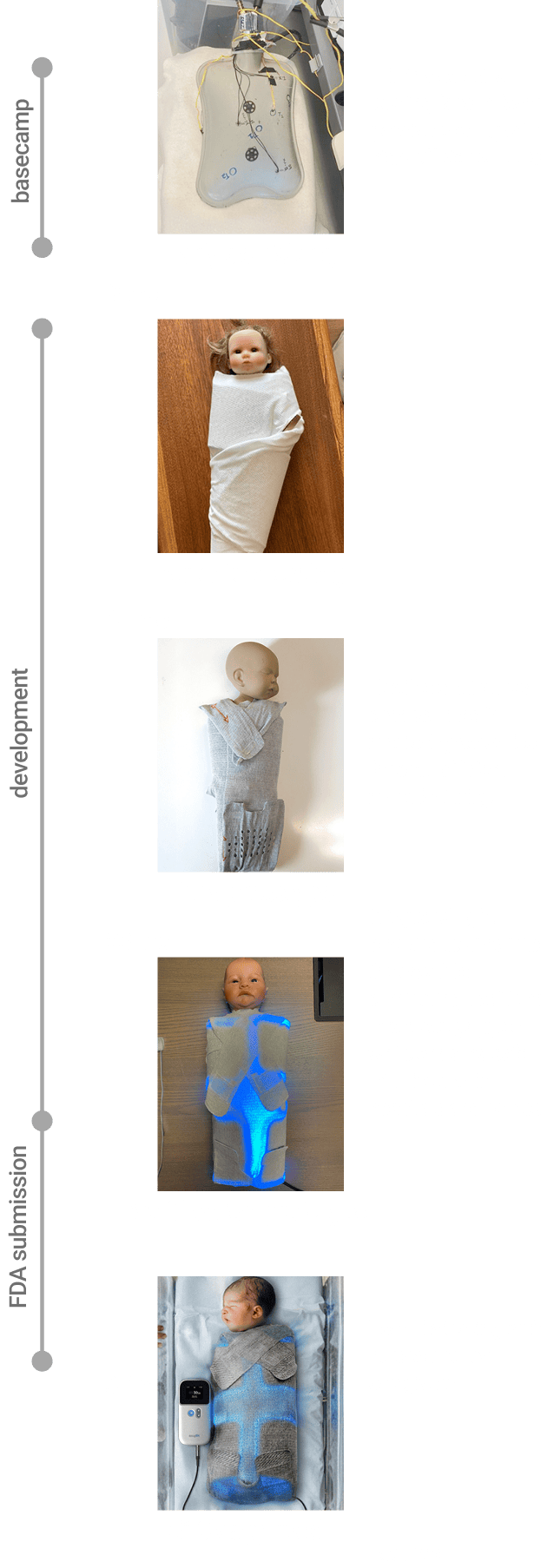
Traditional phototherapy for newborn jaundice tied infants to stationary equipment, disrupting feeding and bonding. Cortex helped TheraB change that with SnugLit, a wearable system designed to be safe and intuitive for use in hospitals and at home.
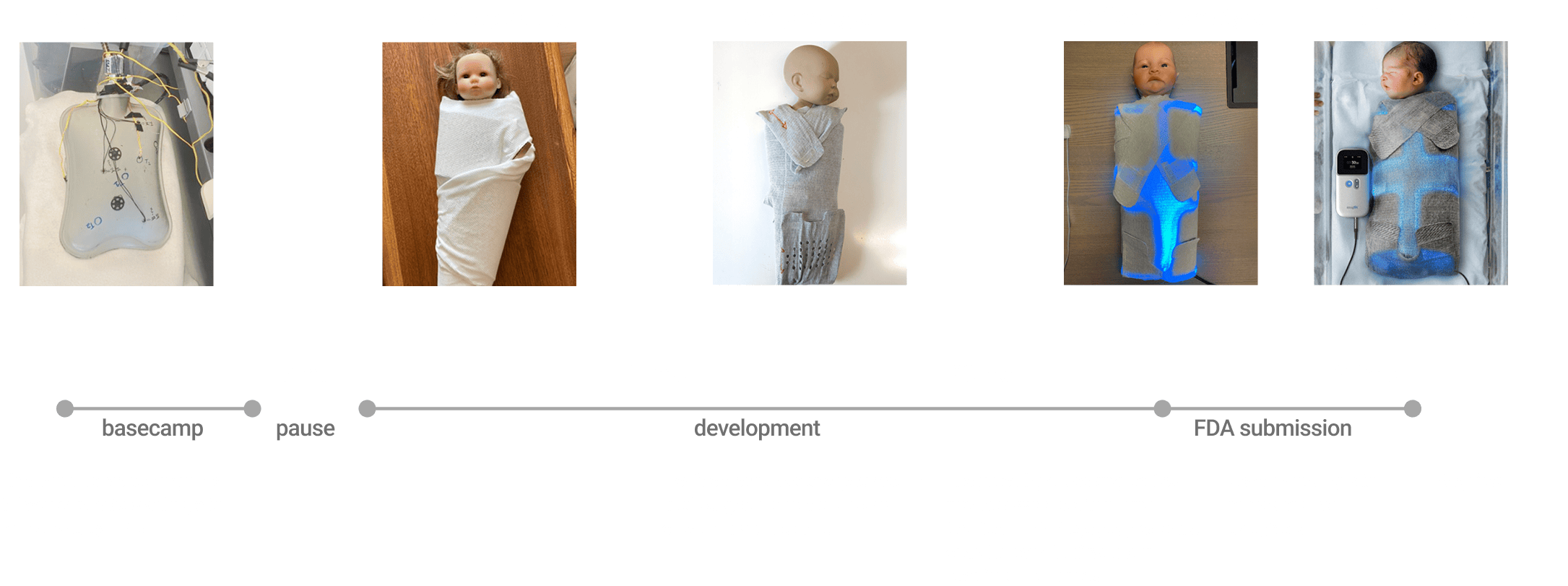
We Turned a Thesis Into an Acquisition in 30 Months
Traditional phototherapy for newborn jaundice tied infants to stationary equipment, disrupting feeding and bonding. Cortex helped TheraB change that with SnugLit, a wearable system designed to be safe and intuitive for use in hospitals and at home.
Other devices advanced through design
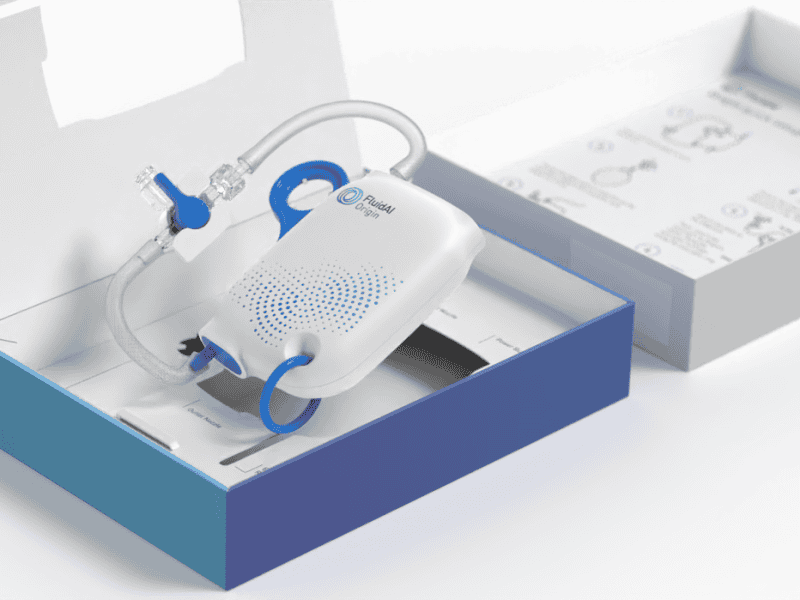
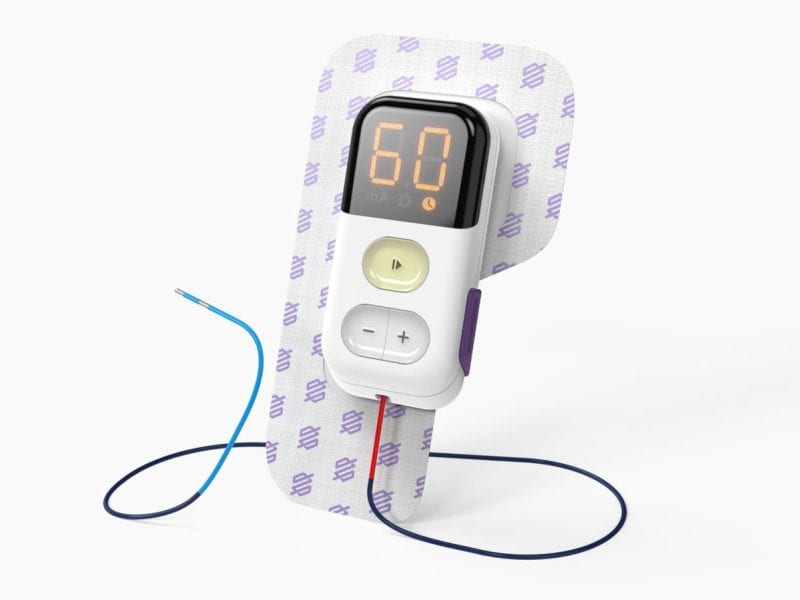
Epineuron
Wearable nerve-regeneration stimulation system
WHY COMPANIES CHOSE CORTEX
An extension of your team
A partner in your success
As a medical device development company, we combine deep med tech expertise with a collaborative approach, so you get the right capabilities, faster decisions, and a team that’s invested in your outcome as much as you are.


Flexible engagement
Start with a focused initial engagement before committing a larger portion of development.
Integrated expertise
Industrial design, human factors, hardware engineering and design controls under one roof.
Extension of your team
We embed within your processes, communicate transparently, and work like part of your team.

Senior accountability
Our management structure ensures leadership, visibility, and personal accountability on every project.

Faster team activation
Cortex can fill missing capabilities more quickly, so you can recruit and onboard the right team.
The Right Partnership Matters
At Cortex, technical expertise is a given. How we choose our partners comes down to trust, shared culture, and aligned goals. We’d love to learn about your product and explore whether we’re the right partner for you.
Let’s Start the Conversation.
Tell us about your project, and we’ll get back to you as soon as possible.